A loud weekend. France’s school protests turned into the country’s worst unrest in years, with Limoges city hall burning on Friday night, and Italy saw barricades in Milan’s Piazza Duomo. In Belarus, a Catholic archbishop blessed an icon made with AI. Also in this weekend digest (16–18 October): an OpenCode breach exposed AI provider keys, Meta briefly took down the No Kings Instagram account, and a lab accident at Stanford showed how bleached coral can come back.
1. France and Italy: a weekend of riots
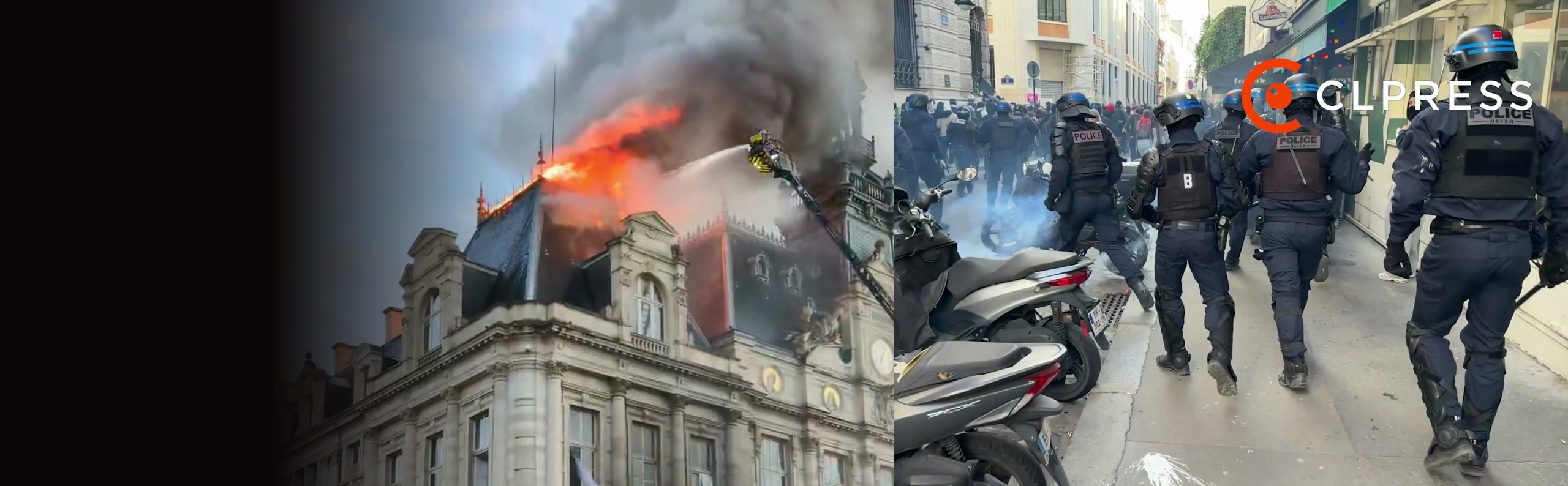
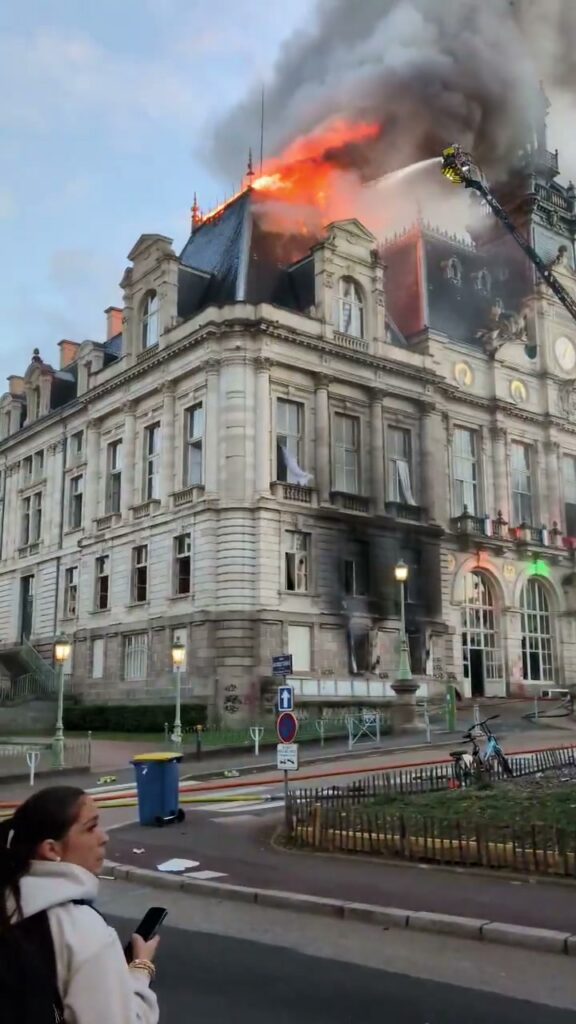
What began as high-school protests over teacher shortages and school funding grew into a nationwide revolt against austerity on Friday, 17 October. Authorities and organisers put the turnout at 550,000 to 800,000 people. More than 1,800 people were arrested and more than 500 police officers and emergency workers were injured. In Paris there was looting and burning barricades around Place de la République; in Limoges the city hall was gutted by fire; Marseille demonstrators forced their way into the town hall, and in Lyon the tourist office on Place Bellecour was set on fire. President Emmanuel Macron addresses the nation on Sunday, 18 October, at 20:00.
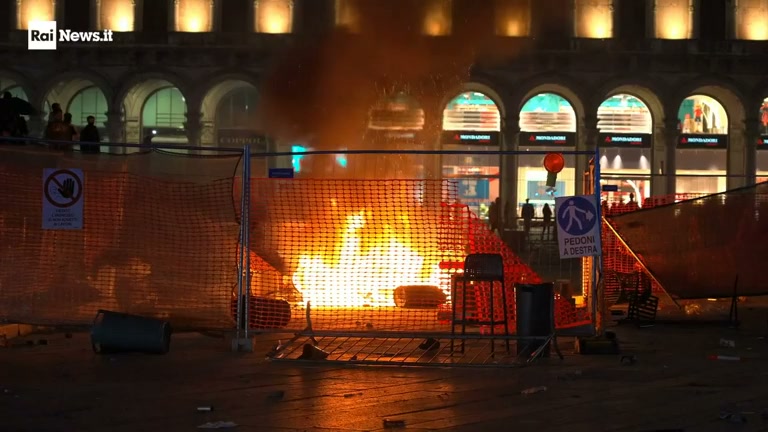
Italy’s marches against the cost of living and the Meloni government overlapped with student demonstrations. The worst clashes were in Milan, around Piazza Duomo and Via Torino, where barricades were set alight, and in Bologna near the railway station. Italy’s State Police, quoted by Rai News, count 28 arrests and 141 officers injured nationwide. Prime Minister Giorgia Meloni condemned the violence; opposition leader Elly Schlein condemned it too but warned it must not bury the peaceful protesters’ demands. CGIL leader Maurizio Landini called a general strike for 20 November.
The caveat: this weekend is also a misinformation weekend. Reuters and AFP found older protest videos recaptioned as October 2026 unrest; one viral clip was traced to Angers in 2023. The footage in our video and this post comes from outlets that dated it (Rai News, CLPRESS) or from posts made on the day. Arrest and injury figures are official counts and will be revised.
2. Belarus: an archbishop blesses an AI-made icon
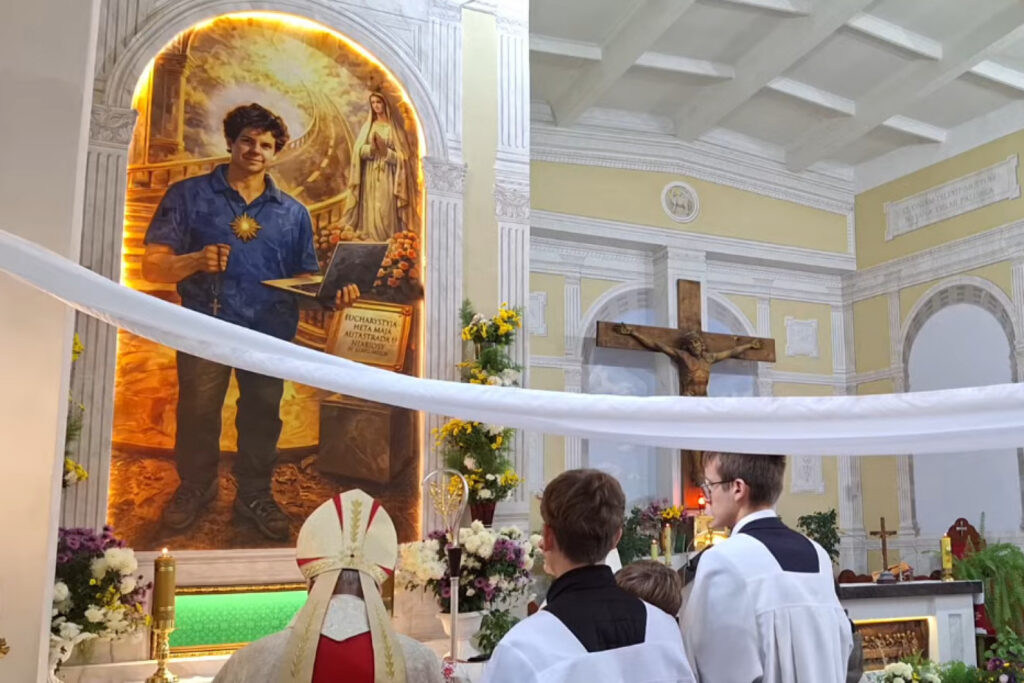
On 11 October, at the Church of Saint Mary Magdalene in Novolukoml, Archbishop emeritus Tadeusz Kondrusiewicz, the former head of the Catholic Church in Belarus, blessed a new image of Saint Carlo Acutis, the Italian teenager canonised in 2025 and nicknamed the “cyber apostle”. The parish priest, Father Mikalai Lipski, said during the online broadcast that the image was made with artificial intelligence, partly from a prompt by engineer Dmitry Kulpanovich. It shows Acutis holding a rosary and an open laptop. “Today we enter the world through the internet. What are we looking for there? Holiness? Far from always,” Kondrusiewicz said in his sermon.
Why it matters: churches have always argued about new media, from the printing press to television, and one supporter made exactly that comparison. Critics answered that an image generated by AI cannot be an icon and should not be prayed before. The caveat: many outlets call it the world’s first blessed AI icon, but that claim has not been independently verified.
3. OpenCode breach exposed AI API keys
The OpenCode team disclosed a breach affecting 1.4% of OpenCode Console users, specifically those who had linked external AI providers. A legacy system was accessed without authorisation and stored provider API keys may have been exposed. OpenCode connected the incident to a large-scale model-distillation attempt, meaning the keys may have been used to pull large volumes of model output. Community members reported unexpected API charges.
What to do: if you linked a provider to OpenCode Console, revoke and rotate those keys, review your usage and billing, and contact the provider about any charges you don’t recognise. The caveat: the full scope is OpenCode’s own figure and the investigation is ongoing.
4. Meta pulled No Kings’ Instagram for about 90 minutes
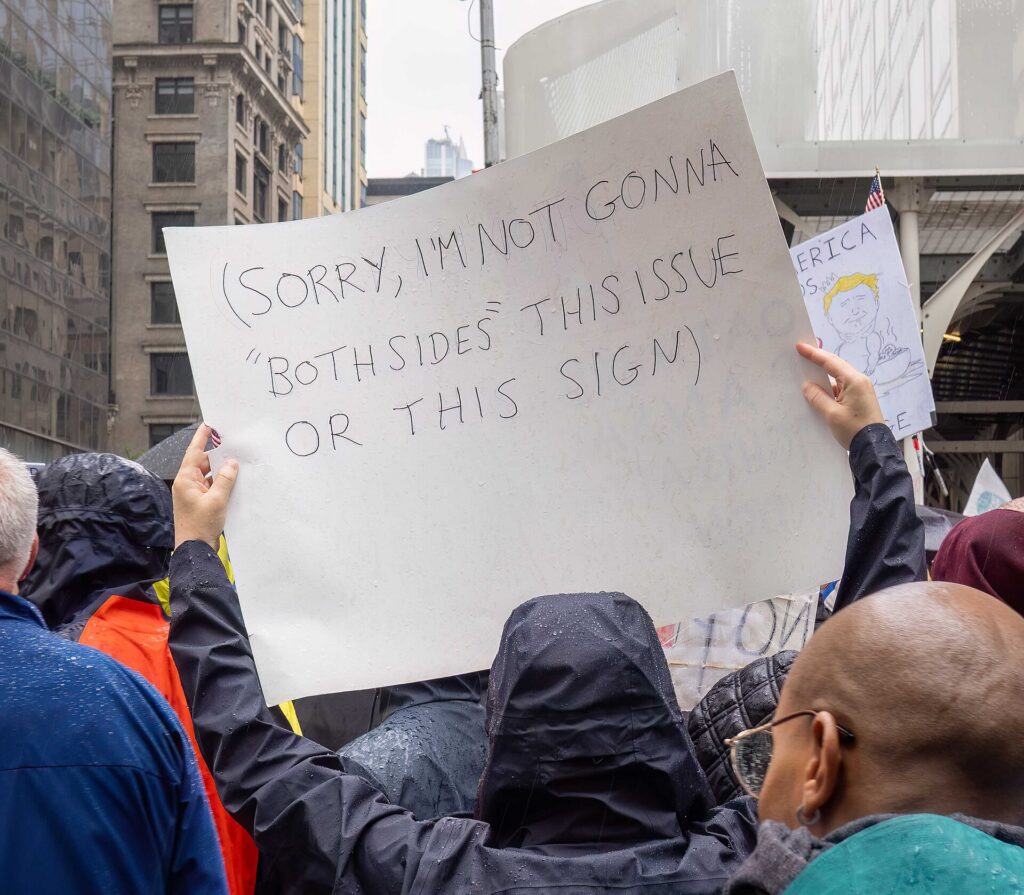
On the day of mass No Kings demonstrations in the United States, the movement’s Instagram account was suspended for around 90 minutes. MeidasTouch reported the takedown as an attack on the protest. Meta spokesperson Andy Stone said the account had triggered automated enforcement because of unusually high posting activity and that the action was taken in error; organisers confirmed they got access back.
Why it matters: when automated moderation hits a political account on its biggest day, the effect looks the same as censorship, whatever the cause. The caveat: claims that this was intentional political suppression, or ordered by Mark Zuckerberg, remain unproven.
5. Bleached coral revived by a healthy clone
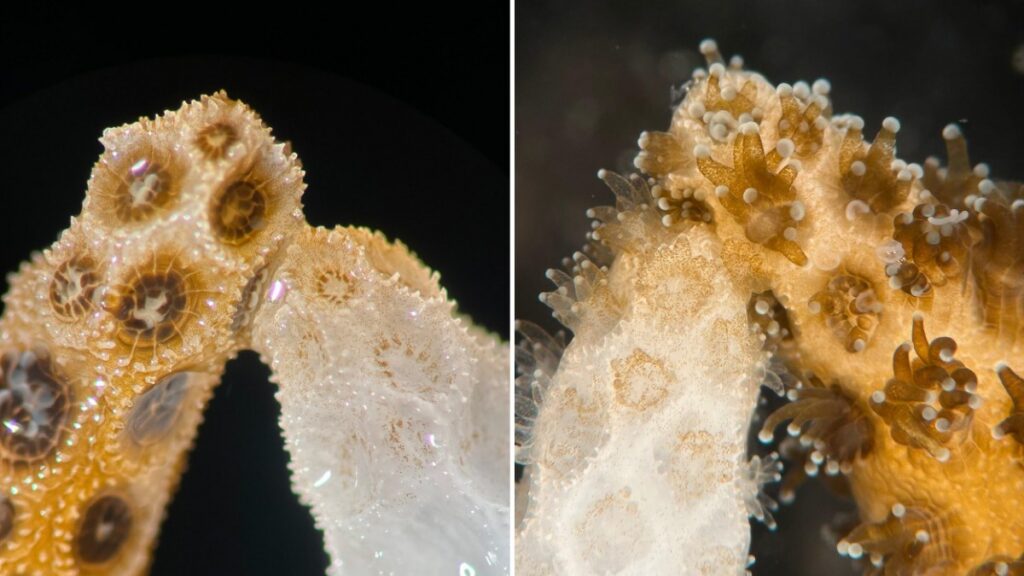
Danny Collins was studying how disease spreads through coral contact for his PhD at Stanford when a lab accident showed something else: a bleached coral fragment that touched a healthy fragment of the same individual recovered within weeks. The symbiotic algae that give coral its colour and food spread from the healthy clone into the bleached one. Nature reported the result on 14 October with a time-lapse; Euronews explained it the next day.
Why it matters: bleaching events are getting more frequent, and reef restoration needs faster ways to bring corals back. The caveat: this is a laboratory finding with clones of the same coral. It is a promising restoration tool, not a cure for ocean warming.
Sources
- Rai News: clashes and barricades in Italian squares
- Rai News: burning barricades in Piazza Duomo
- CLPRESS: Paris, 17 October
- Limoges city hall fire (with X footage)
- Nasha Niva: Kondrusiewicz consecrated an AI-made icon
- Euroradio: Belarusian church blesses AI icon
- OpenCode on X: security incident
- MeidasTouch: Meta takes down No Kings Instagram
- Nature: bleached corals recover after touching healthy clones
- Euronews: how a lab accident revealed a way to rescue corals
Leave a Reply