
AI is leaving the screen. This week Google showed AI agents that plan experiments and hand them to real lab robots, and a Dutch machine uses computer vision to plant cuttings by itself. Add DeepSeek’s new search tools for agents, a CERN and Mistral plan for a physics model, and a paper on agents that reason without writing out every thought.
1. Google’s AI agents now run real lab robots
On 16 October Google Research described VERID (VERified Infrastructure for Discovery Laboratories), a live digital twin of a lab workcell built on the open-source PyLabRobot framework. It tracks the robot arm, the liquid in every well, the reagents and the pipette tips left. An AI agent can dry-run a protocol in this model first, and safety checks block commands the hardware can’t do.
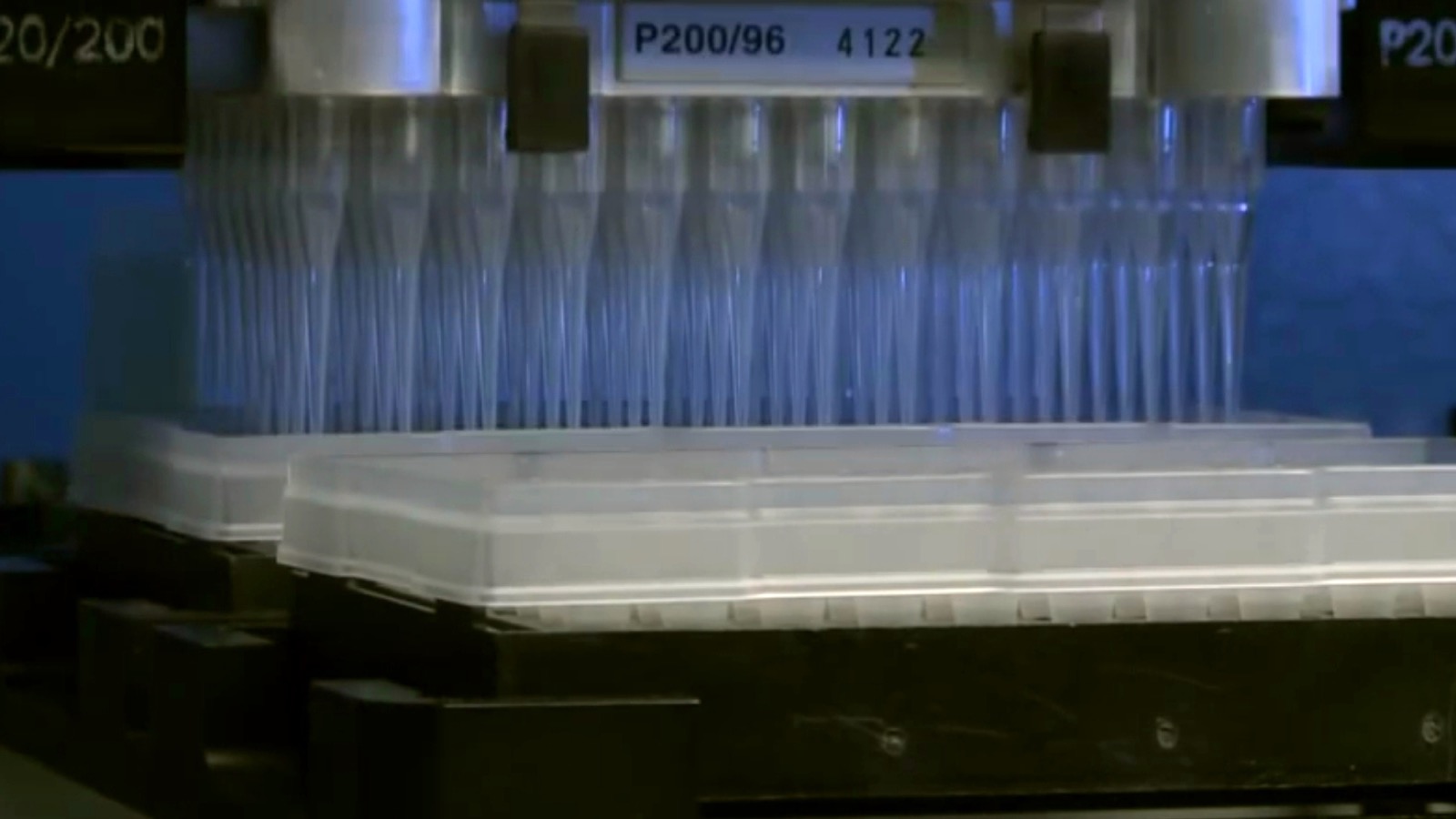
The results are concrete. Designing aptamers against alpha-thrombin, the hit rate rose from 0% to 26.0% to 42.1% over three design-test rounds. A protein-design workflow produced binders with single-digit nanomolar affinity against FAP, a protein overexpressed in many solid tumours.
The caveat: this is a research prototype, not peer-reviewed, and humans approve every designed sequence, verify the protocols and supervise the robot runs.
▶ Watch Google's VERID video in the original post
2. A Dutch AI robot plants up to 3,000 cuttings an hour
Dutch firm TTA-ISO introduced the CuttingPlanter 2.0 in July 2026, so this isn’t breaking news, but it shows the same shift. CuttingVision software looks at cuttings on a wide conveyor and picks the ones ready to plant. An electric tilting gripper then plants each one at a constant depth, and cuttings it misses go round again.
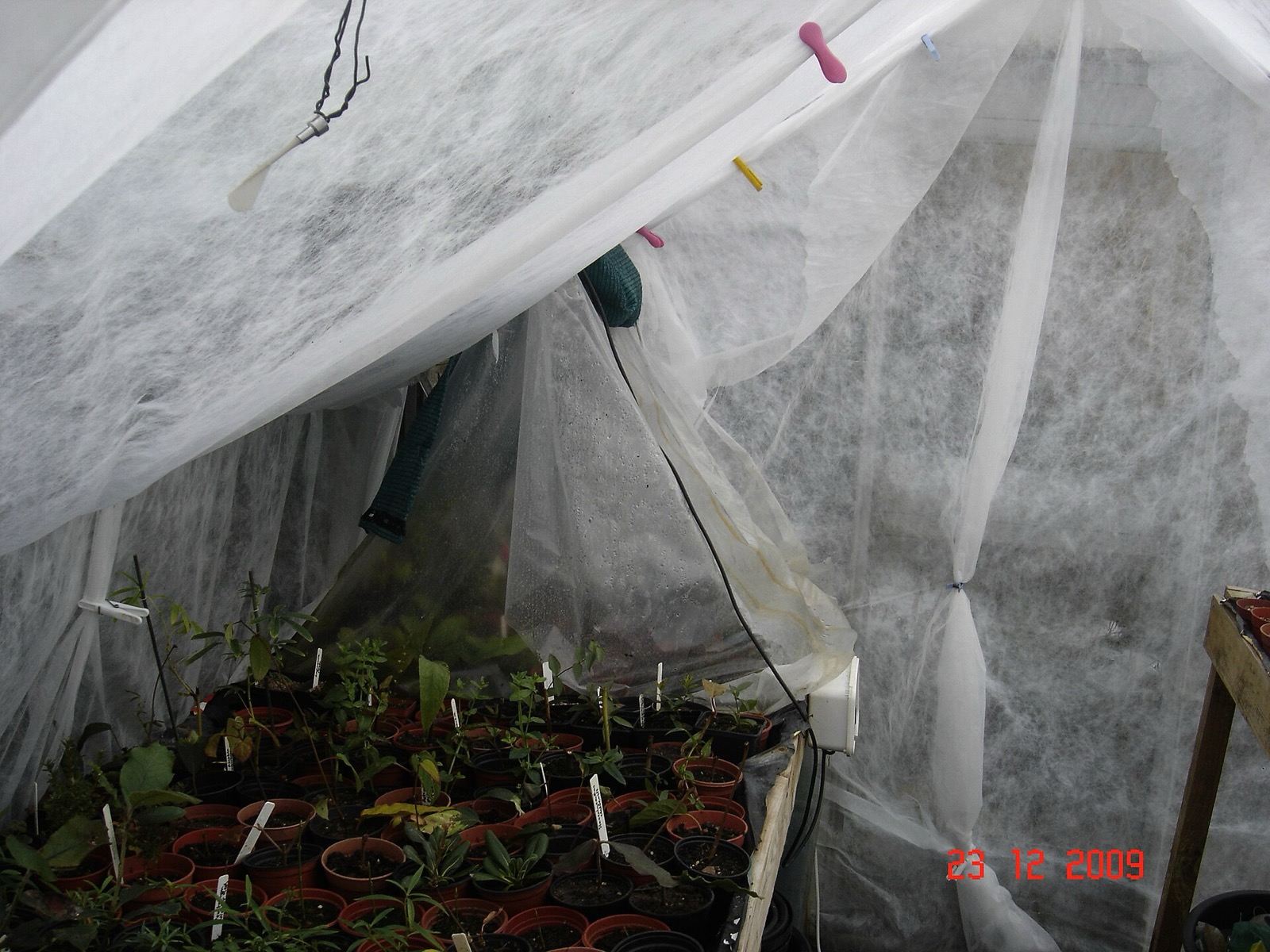
TTA-ISO gives up to 3,000 cuttings per hour. That is the manufacturer’s maximum, not an independent measurement, and real speed depends on the crop. Propagation is still a manual job in many greenhouses, which is why machines like this matter.
▶ Watch the CuttingPlanter 2.0 in action (TTA-ISO) · LinkedIn
3. DeepSeek opens web search to AI agents
On 19 October DeepSeek launched two APIs, Search and Fetch, that let developers’ AI agents search the web and read pages through DeepSeek. TechNode reports the price as RMB 5 (about $0.70) per 1,000 successful requests; failed requests, empty results and timeouts are not charged.
Two days earlier DeepSeek updated its model to V4.1 Flash-1017, with better reasoning, coding and agent tasks according to the company. The weights are on Hugging Face under the MIT licence. The improvements are DeepSeek’s own claims.
4. CERN and Mistral plan an AI model for physics
On 15 October CERN and the French AI company Mistral signed a statement of intent for a long-term partnership. The first goal is a ‘Large Physics Model’, which CERN calls the first foundation model for collider physics, trained on billions of simulated proton-proton collisions from the LHC. It could help reconstruct collisions, identify particles and flag unexpected signals.
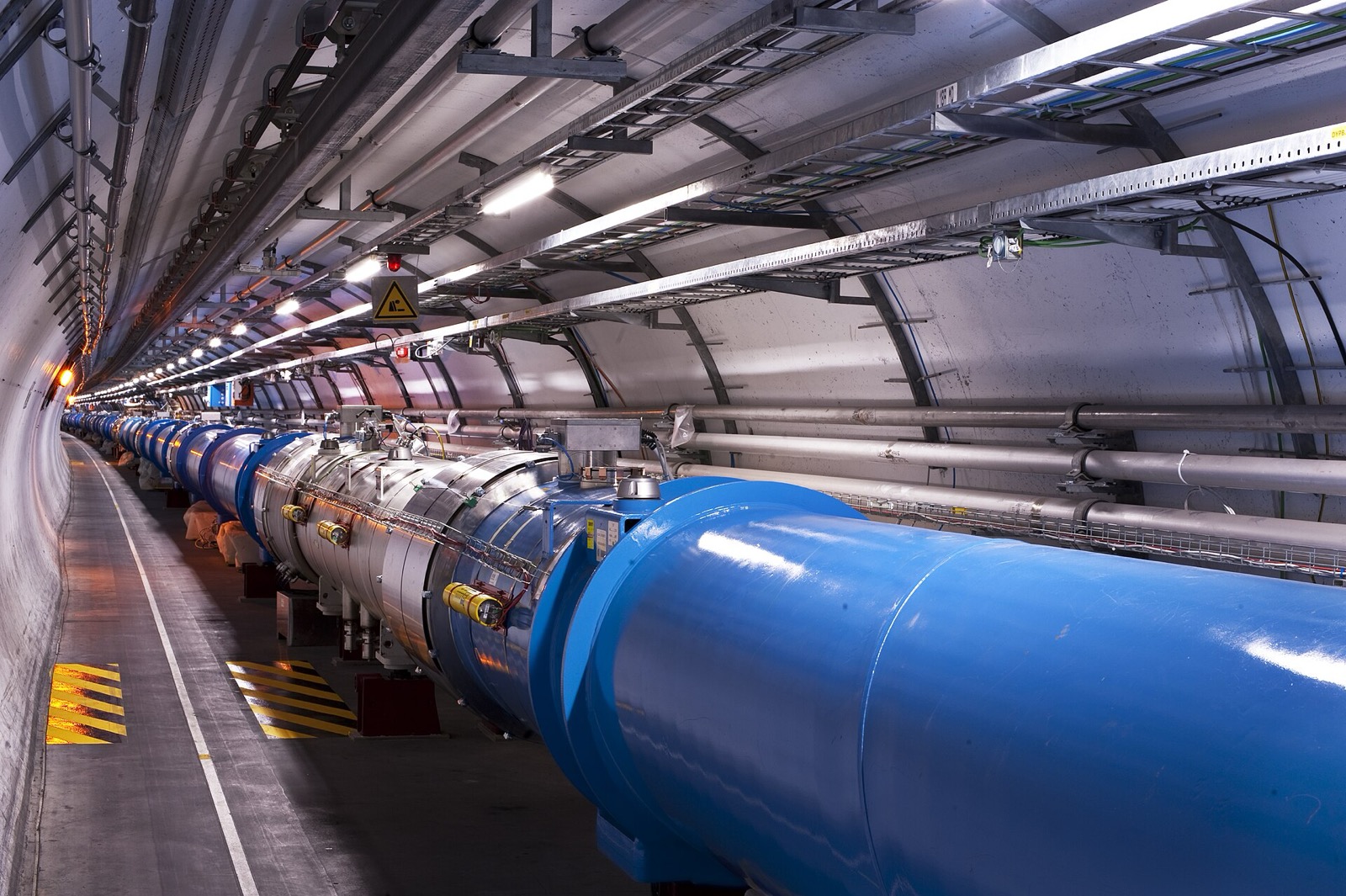
It is a plan, not a working system. In the same week Mistral released Timestral, forecasting models from 5 million to 209 million parameters; Mistral says the largest ranks first on GIFT-Eval, TIME and fev-bench, results the company reported itself.
5. Agents that reason without words
A preprint on arXiv, ‘Hybrid Reasoning Agents’ by Jiaru Zou, James Zou and co-authors, lets an agent think in a hidden internal form and only write out the actions it takes. The authors report 35.5% to 54.7% fewer output tokens and 1.8x to 2.6x faster inference compared with standard agents. It was one of the most-discussed papers on Hacker News on 19 October.
These are the paper’s own numbers and the work hasn’t been peer-reviewed yet. The idea matters because cheaper, faster agents are what make robots and lab systems like the ones above practical.
Also on Hacker News today
Linux 7.3 is out, a record release with 18,765 non-merge commits from 3,021 developers. Construction Physics asks what it really takes to train a robot. And 3Blue1Brown argues that there has never been a better time to study maths:
Sources
- Google Research: Grounding AI agents in biological reality (16 Oct 2026)
- PyLabRobot documentation
- TSN Media: Google AI wet-lab agents
- TTA-ISO: CuttingPlanter 2.0
- TTA-ISO: Introducing our newest CuttingPlanter 2.0 (July 2026)
- TechNode: DeepSeek launches web search and page-fetching APIs (19 Oct 2026)
- TechNode: DeepSeek releases V4.1 Flash-1017 (19 Oct 2026)
- CERN: CERN and Mistral join forces to accelerate AI for science (15 Oct 2026)
- Mistral AI: Timestral (15 Oct 2026)
- arXiv 2610.18861: Hybrid Reasoning Agents
- LWN: Linux 7.3 released
- Construction Physics: How to train your robot
- 3Blue1Brown on YouTube
Leave a Reply