Our weekend review of tech and AI: a researcher ran homebrew and DOOM on a Switch 2 without opening it, a Chinese lab made its new model worse at hacking on purpose, and one Brotli bug means it is time to update Node.js. Plus cracked-screen reports on the iPhone Duo and why stolen cookies get past two-factor login.
1. Switch 2 jailbroken in software
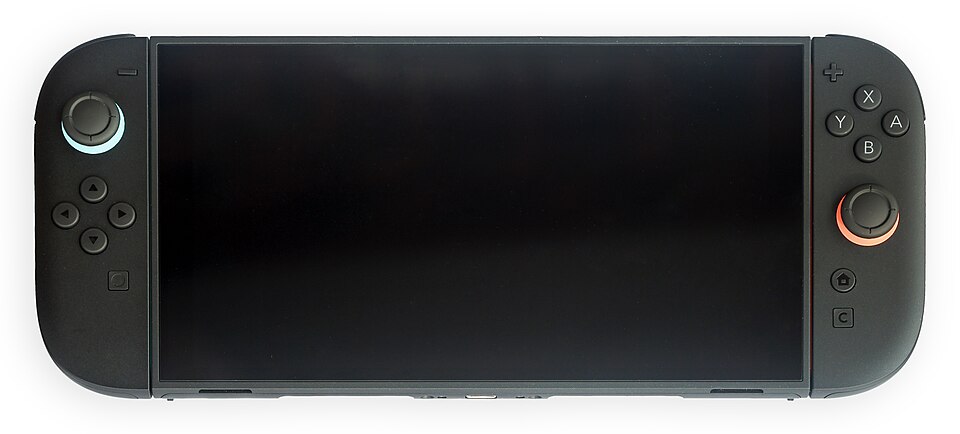
Security researcher Sammy Hajhamid (pepsipu) has shown “ns2jb”, which he calls the first jailbreak of the Nintendo Switch 2. It works on firmware 23.0.1 and needs no hardware mod: it chains the SmileBASIC 4 programming app with the console’s filesystem service. Demos show homebrew, modded Mario Kart World characters and DOOM.
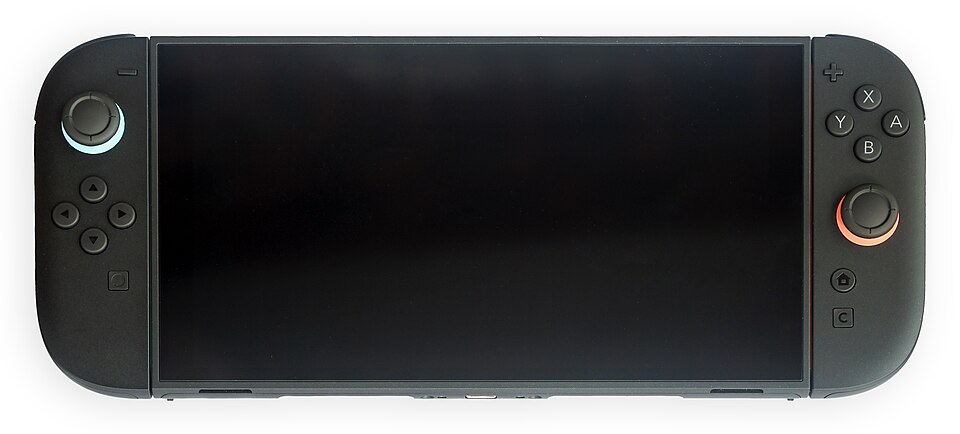

The limits matter. It is tethered (a PC on the same network has to start it), it does not survive a reboot and it is not a kernel-level jailbreak. It was disclosed on 22 October, with follow-ups through the weekend. Nintendo is expected to patch; if you just play games, keep your console updated.
2. Moonshot made Kimi K3.1 Pro worse at hacking, on purpose
Chinese AI lab Moonshot says it removed cyber-attack data from the training of Kimi K3.1 Pro while keeping general coding ability. On the company’s own internal offensive-security benchmark the model scored 81.0%, down from 90.5% for a version without these measures. That figure is company-reported and has not been independently tested.

Moonshot plans to publish the model’s open weights by 4 November, which is exactly why the safeguards matter: once weights are out, the developer can no longer monitor use. The company is also moving towards a Hong Kong IPO, and its K3 launch earlier this year knocked chip stocks.
3. Node2Shell: update Node.js, Bun and Brotli now
CVE-2026-111497, nicknamed Node2Shell or HTTP2Shell, is a memory-corruption bug in the Brotli decompression library. A malformed compressed stream can write out of bounds, which in the worst case may allow remote code execution. It is rated 9.2 on CVSS v4. As of the latest reports there is no confirmed exploitation in the wild.
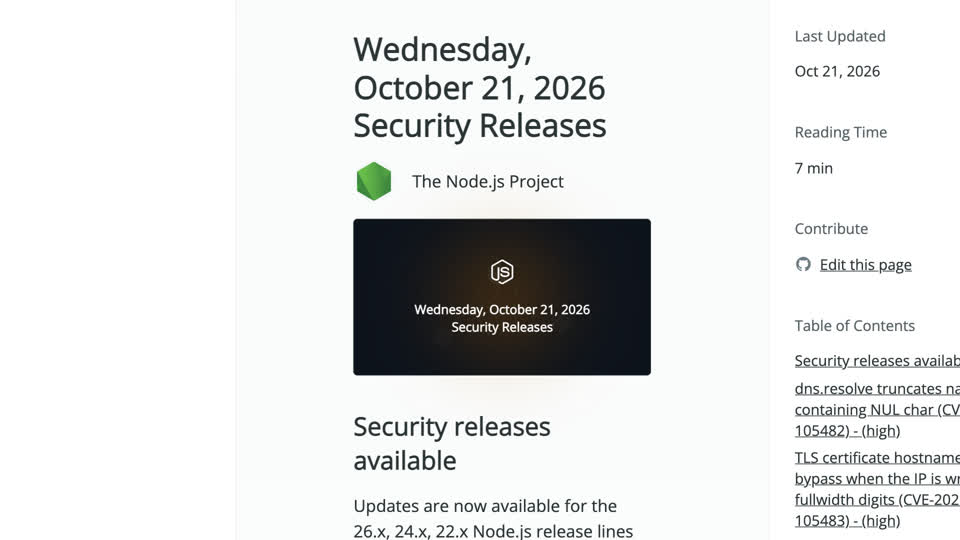
The fix is simple: update. Patched versions are Node.js 22.23.4, 24.22.1 and 26.12.1, Bun 1.4.4 and Python Brotli 1.2.1 (brotlicffi 1.2.1.0). Rebuild container images and bundled apps too, because a statically linked copy stays vulnerable until it is rebuilt.
4. iPhone Duo: users report cracked folding screens
Numerama has collected several user reports of cracks on the inner folding display of Apple’s iPhone Duo, some after only a few weeks. The reports and photos look genuine.
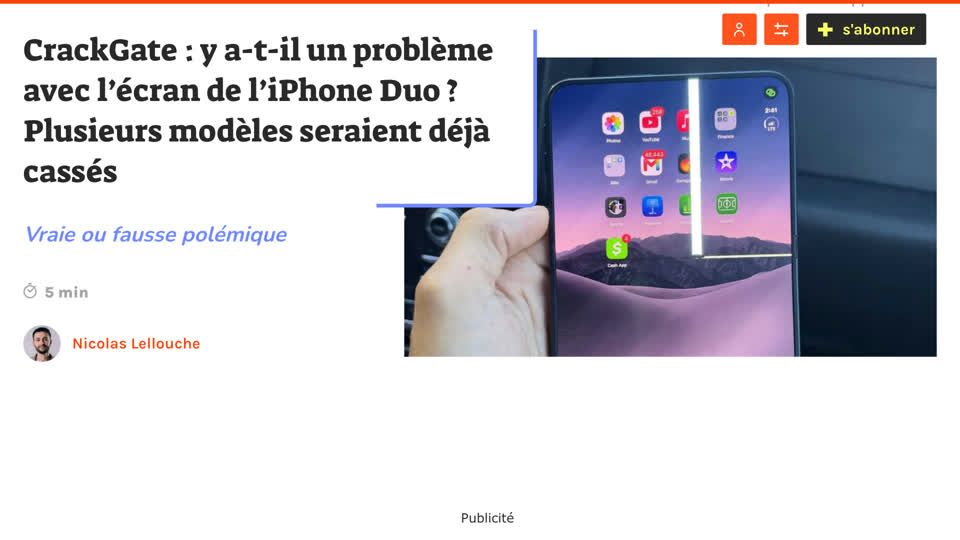
What is missing is scale: there is no failure-rate data and no confirmed cause, and Apple has not commented. A handful of public complaints says little about millions of devices. If yours is affected, document it and contact Apple support while it is under warranty.
5. Stolen cookies get past passwords and 2FA
When you log in, a website gives your browser a session cookie so you do not have to log in again. Malware that steals that cookie lets criminals reuse your session without your password or your two-factor code. NordVPN told The Guardian it found 52 billion stolen cookies in data circulating online in the year to June.
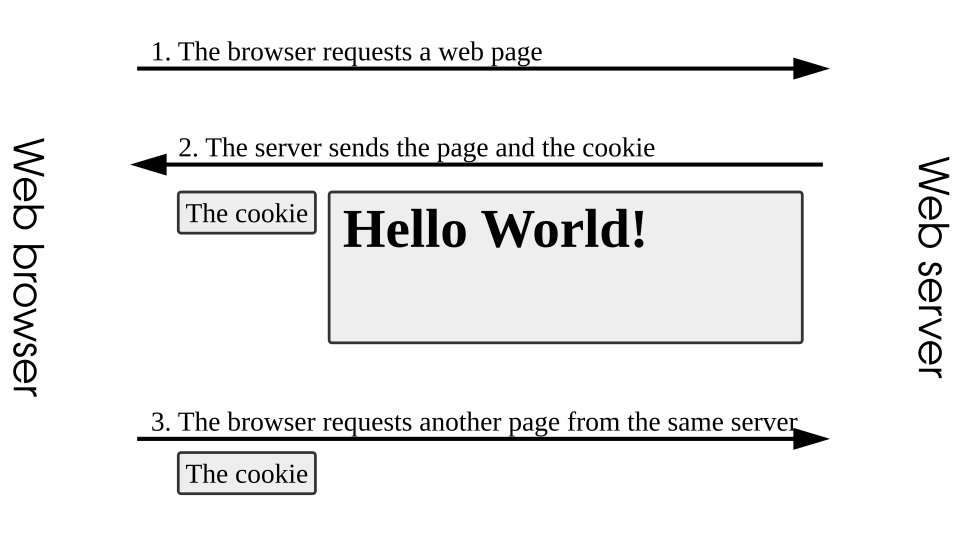

This is not a new zero-day but a common technique. Practical defence: log out of sessions you do not use, review active devices in your important accounts, keep your browser and antivirus updated and be careful with pirated software and unknown extensions, the usual way info-stealers arrive.
Leave a Reply